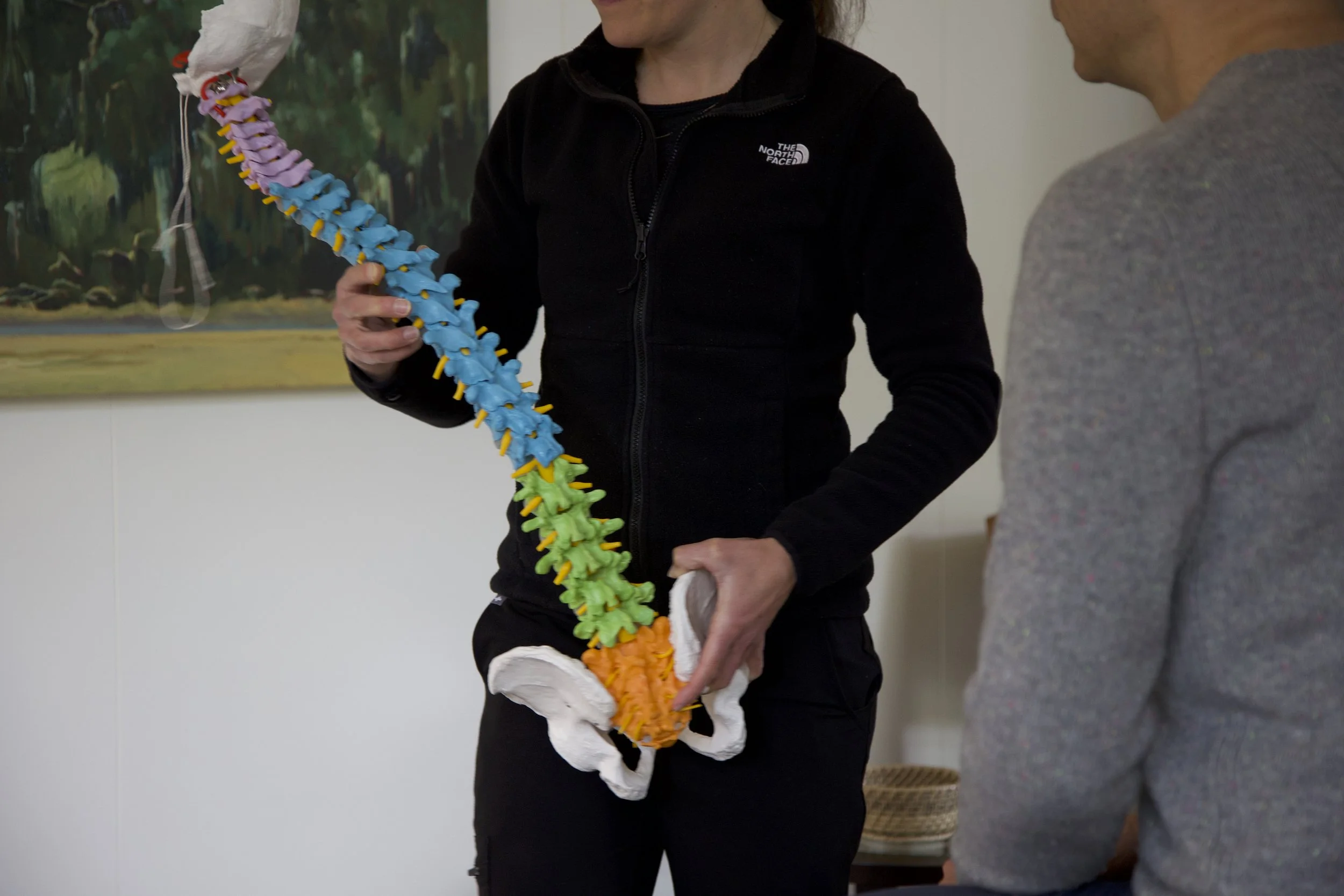
Why Athletes Break Down: The Hidden Role of Pelvic & Cranial Imbalances
Jennifer Tave
Have you ever experienced pain that seemingly came ‘out of nowhere’?
Pain and performance setbacks usually don’t start where you feel them. A lot of the time, the real culprit is hidden deeper—right at the foundation of how your body moves and communicates: your pelvis and nervous system.
The Pelvis: Your Athletic Power Center
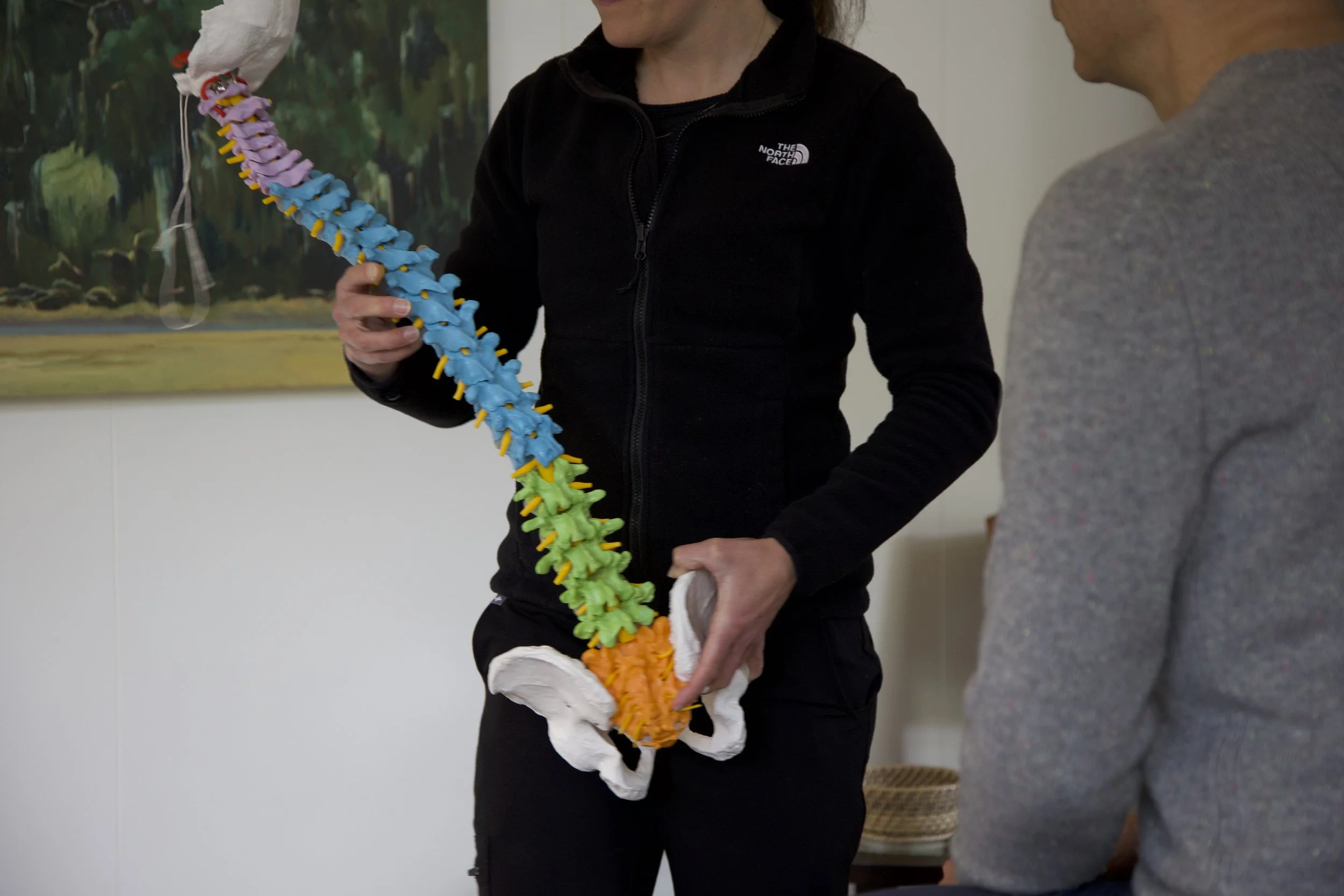
Your pelvis isn’t just a bone structure holding up your torso. It’s like the central hub for how your body stabilizes, transmits force, and coordinates movement when you walk, run, jump, bike, or lift.
When your pelvis is even slightly off—tilted, rotated, or shifted—your body starts recruiting muscles that weren’t designed for those jobs. And over time, that subtle shift turns into actual pain, pain during activity, or even recurring injuries.
You might feel discomfort in your:
hips and glutes
low back
knees
feet
…but the cause might actually be your pelvis not sharing the load the way it should.
Compensation: The Sneaky Saboteur
Humans are great at adapting. You’ve probably shifted your mechanics during an injury, kept going about your life or training with discomfort, or unconsciously altered your movement to avoid pain. That adaptability is great—until it becomes a compensation pattern that embeds itself into your movement.
Here’s what can happen:
Strong glutes shut off
Tight hip flexors take over
Core muscles brace instead of coordinate
One leg ends up doing more work than the other
All of this creates asymmetry that leads to overuse injuries and inefficient movement patterns—not because you’re weak, but because your nervous system has put your body into survival mode.
Your Nervous System & Cranial Connection
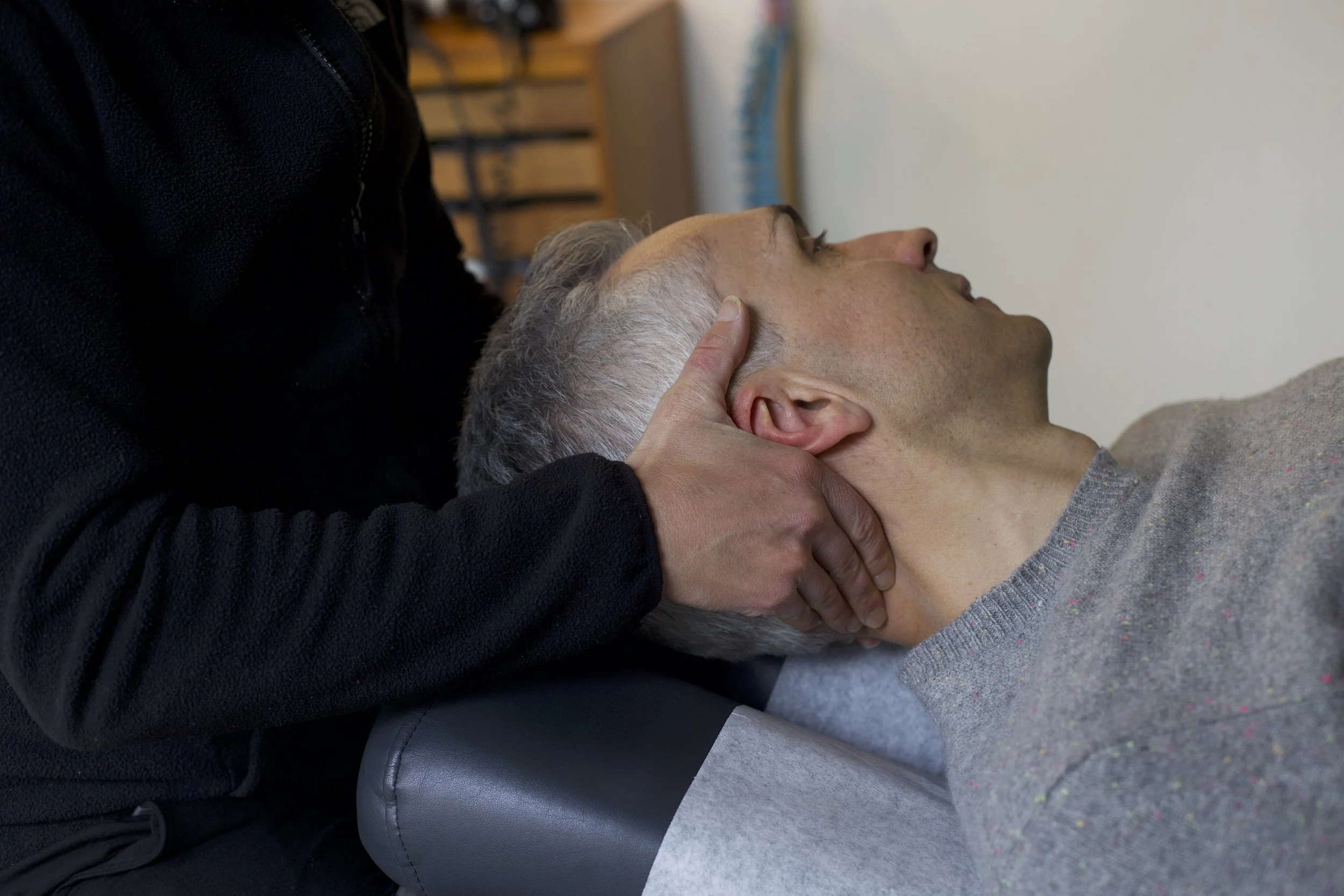
It might sound surprising, but your nervous system and cranial alignment (the bones around your skull) help tell your body how to move.
The Sacro Occipital Technique (SOT) looks at how the base of your spine (pelvis) and the base of your skull (cranium) influence each other. When they’re out of sync, it can affect how your entire nervous system functions.
That means your body might not be firing muscles in the right order or sensing position and balance the way it should—impacting performance and increasing injury risk.
Why Traditional “Stretch & Strengthen” Isn’t Always Enough
You’ve probably been told to stretch what’s tight and strengthen what’s weak. And while that can help, it doesn’t always fix the reason those muscles are tight or weak to begin with.
Techniques like Applied Kinesiology and P-DTR (Proprioceptive Deep Tendon Reflex) go a step further than typical strength tests—they look at how your nervous system recruits muscles, and whether your brain is actually sending the right signals to specific muscle groups.
That’s important because:
A muscle may look strong but not fire at the right time
Stretching a tight muscle might just reinforce a compensation
Training patterns can become ingrained, even if they’re inefficient
What This Means for Your Performance
When your pelvis and cranial structures are in better harmony—meaning your nervous system can communicate more freely—you may notice:
✅ smoother movement
✅ fewer recurring injuries
✅ better balance & proprioception
✅ improved recovery
✅ sustained performance gains
Instead of chasing symptoms like low back pain or knee discomfort, targeting how your body is organized neurologically often helps you feel better and perform better.
Not Just for Pain — Prehab Matters Too
You don’t need to wait until something hurts hard enough to stop your training.
Here are signs that you might benefit from a deeper look:
One side always feels “off”
You have trouble fully firing glutes
Your body doesn’t feel symmetric during movement
You’re stuck at a performance plateau
Your recovery isn’t improving despite rest
That’s your body saying: something in the system isn’t talking the way it should.
Final Thoughts
Your body is a coordinated system—not a collection of parts. When your pelvis, nervous system, and cranial rhythms are all working together, your movement becomes more efficient and your risk of injury or joint degeneration drops.
Think of your body like a finely tuned engine. A small misalignment in the foundation can throw off performance down the road. But when you address those foundational imbalances, everything else runs more smoothly.
If you’re curious about how pelvic alignment, nervous system balance, and gentle neurological techniques could help your training and prevent pain, feel free to reach out or schedule an appointment for an assessment.